
Every question in this article has been asked to me, by name, by a real owner in my exam room or on my after-hours line — usually in the same worried voice. So let me answer the one underneath all twelve first: most of the time, yes, it's normal, and the fact that you're asking means you're already paying attention, which is exactly the right instinct. The harder skill is telling apart the normal from the worth-checking, and that's the distinction this article is built to give you. My goal is not to make you an expert on is my dog sick or just tired — it's to make you a calm, confident observer of your own pet, and to know precisely when that observation should turn into a phone call.
I'm Willa Sutter, DVM, and after fourteen years in general practice, I can promise you there is no dumb question — not from a first-timer, and not from me, in a house shared with my husband Adam, our kids Ruby and Otis, the dogs Biscuit and Copper, the cats Mabel and Oscar, and Peanut the guinea pig. What matters is pattern and persistence: normal quirks are steady, and problems usually change something. Keep that in your back pocket, and let's go through the twelve questions.
The Twelve Questions, Answered
I've grouped these the way I'd actually talk you through them on the phone — by body system, from head to toe.
Eating and Drinking
1. "He skipped a meal. Is something wrong?"
A single missed meal, when your pet is otherwise playful, hydrated, and behaving normally, is almost always a blip — a tummy that's off, a stressful day, or simply not hungry yet. Offer food again in a few hours, and if they eat then, close the file. What crosses the line: two consecutive missed meals, or food refusal along with lethargy, vomiting, or diarrhea. Then call.
2. "She's drinking way more water than usual."
Sudden, noticeable increases in thirst deserve a vet's attention — it's one of the classic early signs of kidney or metabolic problems in both dogs and cats. If you notice it along with more urination, weight loss, or a dull coat, call. The rule is the same as everything here: one day of extra drinking is curious, a week of it is worth checking.
Energy and Sleep
3. "Is my dog sick or just tired? She's sleeping all day."
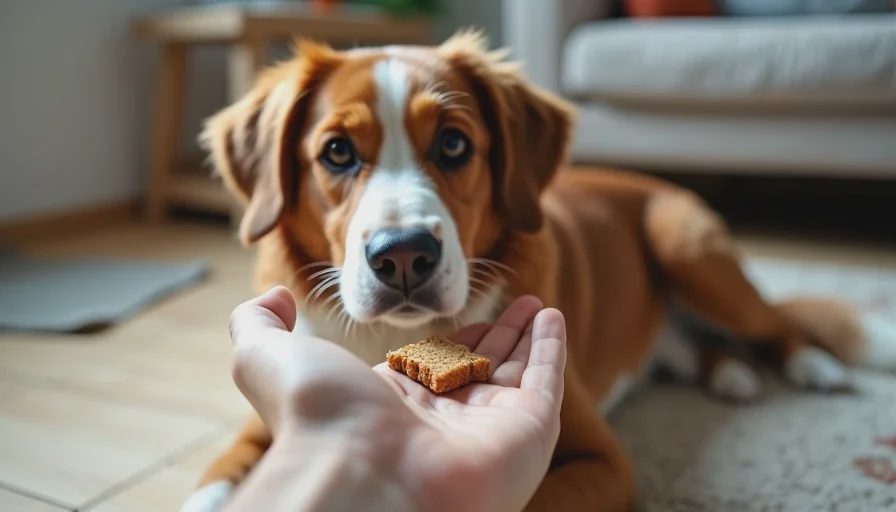
This is the most common question I get, so here's how I actually decide in the exam room. A tired dog still perks up for the things they love — a treat, a walk, the front door. A sick dog withdraws from everything, including food and favorite people. So the practical test is: offer the high-value treat. That ten-second test is the whole answer to is my dog sick or just tired in most cases. If the eyes light up, it's probably the rainy Tuesday blahs. If there's no response at all, that's a call. And remember, puppies and senior dogs genuinely sleep 16 to 20 hours a day — that alone isn't a red flag.
4. "He's suddenly sleeping a lot more than usual, even for a puppy."
"More than usual" is the key phrase, because it describes a change from your pet's own baseline — and changes are what we care about. If your normally energetic pet is flat for two days straight, won't engage with toys or walks, and isn't eating, call. Lethargy combined with anything else (vomiting, pale gums, trouble breathing) is the same-day call.
Bathroom Habits
5. "Soft stool for a day. Normal?"
One episode of soft stool is on the "watch it" list — log it, make sure water is plentiful, and keep an eye out. Two or three soft stools in a row, or any blood or dark, tarry stool, and you're calling the vet. Puppies and kittens can dehydrate fast, so young animals skip the waiting and go straight to a call.
6. "She's been in and out of the litter box all afternoon."
Straining to pee, frequent trips with little output, blood in the urine, or a cat crying in the box is a potential emergency — especially in a male cat, where a blocked urinary tract can be life-threatening within 24 hours. This one is a call the same day, no waiting to see. I'll take that call over almost any other after-hours call, and so will your vet.
Mouth and Digestive Noise
7. "She's eating grass and then throwing up. Why?"
Dogs eat grass for a lot of reasons — taste, boredom, an unsettled stomach — and the occasional grass-and-retch session is not usually alarming. What matters is the pattern. If it's once a week and she's fine between times, keep an eye on it. If vomiting becomes frequent, she can't keep water down, or she looks uncomfortable, call. Also call if there's any chance she swallowed something that isn't food — socks, toy parts, corncobs are all favorites in my practice.
8. "His stomach is making loud noises."
A gurgling belly on its own, with a happy, eating, pooping pet, is just digestion doing its work. It becomes worth a call when it's paired with other signs — pacing, drooling, repeated unproductive retching, a hard or bloated belly, or going off food. In large-breed dogs especially, a swollen abdomen with retching and distress is an emergency; don't wait it out.
Skin, Coat, and Behavior
9. "He's scratching a lot. Fleas, or just normal?"
A little scratching is normal dog behavior; persistent scratching, chewing at paws, red raw patches, hair loss, or scooting across the floor is not. Flea dirt (little black specks that turn reddish on a wet paper towel), seasonal allergies, and food sensitivities all show up this way. If scratching is interrupting sleep or causing bald spots, let your vet take a look — and yes, this is a "call in the morning" category, not an emergency.
10. "She's suddenly hiding and won't come out."
Cats are masters of hiding when they feel off, because in the wild, weakness is something to hide. A cat that's hiding for a day after a house change is adjusting. A cat that's hiding, off food, and not using the litter box is telling you something. Dogs are less subtle, but a dog that's suddenly avoiding the family, growling at approach, or unusually clingy deserves a closer look too. Trust the behavior change — that's your pet's only way to talk.
Face and Senses
11. "His eyes are a little goopy and red."
Mild clear discharge with no squinting can be normal eye gunk, especially in flat-faced breeds. What's not normal: squinting, pawing at the eye, cloudiness, green or yellow discharge, or a change in the eye's surface. Eyes are delicate and injuries worsen fast, so anything beyond mild clear gunk is worth a vet visit, not a wait-and-see week.
12. "She has a runny nose and is sneezing."
One sneezy day with a normal appetite and energy is usually nothing. Persistent sneezing with discharge, coughing, fever (you can often feel warmth and listlessness), or reduced appetite — especially in a puppy or kitten not yet fully vaccinated — deserves a call. Upper respiratory infections are common and very treatable, but young or unvaccinated animals can go downhill quickly, so don't nurse that one through the weekend.
The Call-Don't-Call Decision, in One Table
Here's the tool I want you to keep — the same triage grid I use when I'm on the phone with you. When you do decide to call, have four things ready so the call goes fast and useful:
Your pet's age, breed, and weight
When the symptom started, and whether it's changed since
What they've eaten and drunk in the last 24 hours
Any medications, supplements, or recent changes to food
Then run the situation through this grid:
Level | Examples | What to Do |
|---|---|---|
Green — watch and log | One soft stool, one skipped meal, mild goopy eyes, extra sleeping on a cold day | Log it, keep the routine, report back if it changes |
Yellow — call in the morning | Two days of low appetite, repeated soft stool, persistent scratching, sneezing with discharge | Call your vet during business hours and follow their plan |
Red — call now | Trouble breathing, straining to pee, bloated belly, unproductive retching, seizures, known toxin exposure | Call your vet or the emergency clinic immediately |
The One Skill That Beats Every Checklist
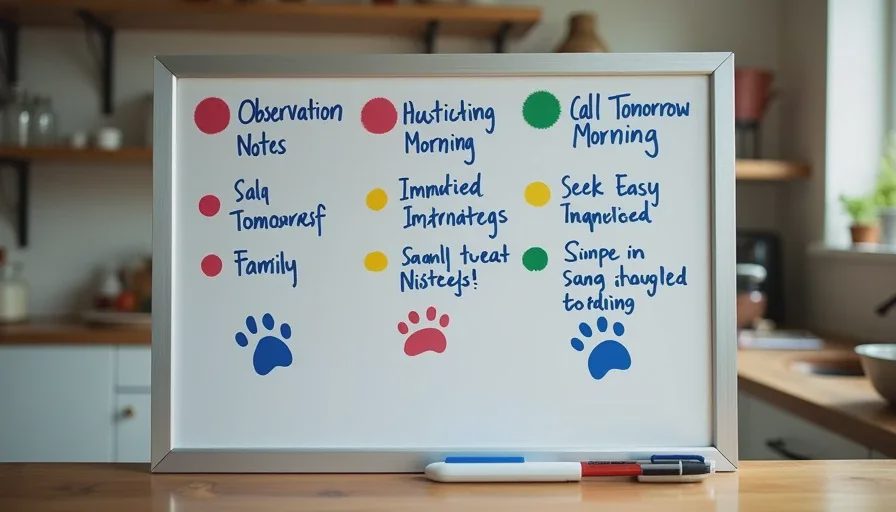
All twelve questions — from is my dog sick or just tired to the goopy-eye one — share a single answer key, and it's worth saying plainly: the most reliable sign of a sick pet is a change from its own normal. Not from another dog you met at the park, not from a forum post, not from what your aunt's dog did once. From your pet's own baseline of appetite, energy, bathroom habits, and mood. That's why I keep a kitchen whiteboard at home tracking who ate, who pooped, who's sulking — because when you know the daily normal, the abnormal is obvious before it becomes scary.
You will make the wrong call sometimes. You'll call about something that turns out to be nothing — and I will cheerfully tell you it's nothing, and I will never once make you feel silly about it. That's a feature, not a bug. The alternative is the call I never want from you: the one that starts with "I meant to call earlier." A good start beats a late fix. Call early, call often, and never apologize for asking.

No comments yet — grab the first one.