If you have noticed a cloudy pupil, missed steps, or a newly cautious dog, you may be asking, can dogs have cataract surgery? In many cases, yes. Cataract surgery is a real option for dogs whose cloudy lenses are affecting vision, and the results can be very good when the eye is otherwise healthy. It is not the right choice for every patient, but you do not have to decide alone or in a panic.
A cataract is a clouding of the lens inside the eye. It can develop with age, inherited conditions, injury, inflammation, or diabetes. A small cataract may not noticeably affect sight. A mature cataract can block light and make familiar rooms, stairs, toys, and faces difficult to see. Dogs often adapt impressively, so a dog that still finds the food bowl may have more vision trouble than the family realizes.
How cataracts affect a dog's daily life
Early signs can be subtle. Your dog may hesitate at the bottom of stairs, bump into furniture in dim light, stop catching treats, or become less willing to play fetch. Some dogs seem clingier because they are using your voice and scent to navigate. A blue-gray haze is not always a cataract; normal aging changes in the lens, called nuclear sclerosis, can look similar but usually do not cause major blindness.
Your veterinarian can examine the eye with an ophthalmoscope and determine whether the lens is truly cloudy. If a cataract is suspected, a referral to a veterinary ophthalmologist is often the next step. That specialist can assess the retina, pressure inside the eye, tear production, and the health of the structures around the lens.
This distinction matters because removing a cloudy lens does not restore sight if the retina or optic nerve cannot function. It also matters because an untreated cataract can sometimes trigger inflammation inside the eye, increased eye pressure, pain, or retinal detachment. Those complications are reasons to schedule an examination rather than simply waiting for the eye to become completely white.
Can dogs have cataract surgery safely?
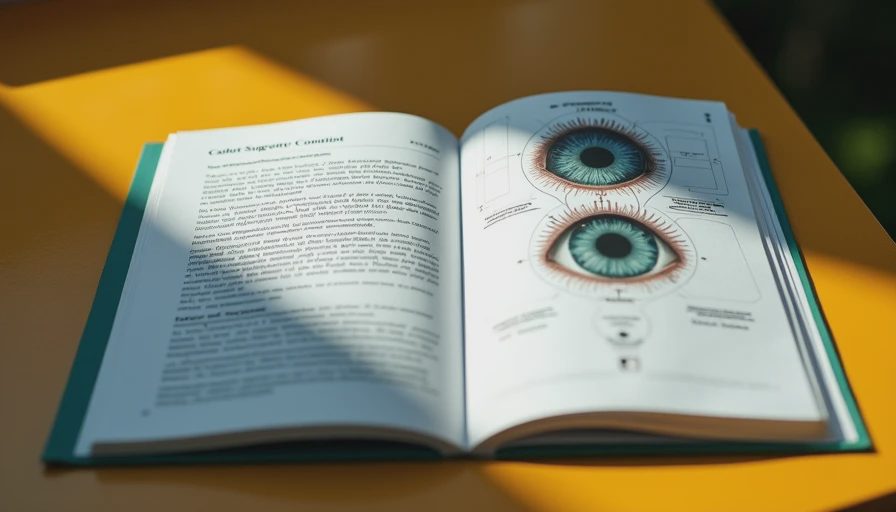
The usual procedure is called phacoemulsification. The surgeon makes a tiny opening, uses ultrasound to break up and remove the cloudy lens, and often places an artificial lens implant. The dog is under general anesthesia, so the team completes a pre-anesthetic examination and blood testing before surgery.
Whether can dogs have cataract surgery safely depends on several factors. The ophthalmologist may recommend an electroretinogram, or ERG, to test retinal function, along with an eye ultrasound if the cataract blocks the view inside the eye. These tests help identify patients likely to see better after surgery. A dog with active eye inflammation, advanced glaucoma, retinal disease, or serious anesthesia risks may need medical treatment instead of surgery.
Age alone is not an automatic disqualifier. A healthy senior dog may be a better candidate than a younger dog with severe retinal disease. The important question is not simply how old the dog is; it is whether the eye can use an artificial lens and whether the dog can safely undergo anesthesia and follow the recovery plan.
What the procedure and recovery involve
Most dogs go home the same day or after one night of observation, depending on the clinic and the individual case. Recovery is hands-on. Expect several eye medications, sometimes every few hours at first, plus oral medication for inflammation or discomfort. A cone is usually necessary so rubbing does not damage the incision.
For the first few weeks, activity is restricted. Short leash walks are usually preferred over running, wrestling, swimming, or rough play. Families often need a schedule on the refrigerator because drops may include an antibiotic and an anti-inflammatory, and the timing matters. Keep the bottle tip from touching the eye, wash your hands before application, and ask the clinic to demonstrate the technique if you are unsure.
Follow-up visits are part of the treatment, not an optional add-on. The specialist checks healing, eye pressure, inflammation, and the position of the implant. Call promptly for marked redness, squinting, rubbing, discharge, sudden vision changes, or a dog that seems painful. A good start beats a late fix, especially with eye surgery.
Costs, insurance, and practical planning
The price varies by region, testing, whether one or both eyes are treated, and the complexity of the case. In the United States, a straightforward cataract workup and surgery can commonly run several thousand dollars, with a rough total often around $2,500 to $5,000 or more. Emergency treatment for complications can add to that amount. The specialist should provide an estimate that separates the consultation, diagnostic tests, anesthesia, surgery, medications, and rechecks.
Pet insurance usually does not cover a cataract that existed or showed symptoms before enrollment. Some policies can help with a new, covered condition after waiting periods, but exclusions and hereditary-condition rules differ. If you are comparing plans for a young dog, read the ophthalmic and pre-existing-condition language before signing up. A savings account or a clinic payment option may be useful when insurance is not available.
If both eyes are affected, ask whether they will be treated during one anesthetic or in separate procedures. A single visit may reduce some logistical costs, while separate surgeries can make recovery easier to monitor. The best plan depends on the dog's exam findings and the surgeon's protocol.
Deciding whether surgery is right for your dog
The answer to can dogs have cataract surgery is medically encouraging, but candidacy is only half the decision. Consider your dog's current vision, comfort, other illnesses, temperament, and your ability to give frequent drops and attend rechecks. A dog that is comfortable and navigating well may be managed with monitoring and prescribed anti-inflammatory medication. A dog losing vision or developing painful inflammation may benefit more from referral and timely treatment.
Bring a short video of your dog's behavior at home. Show hesitation on stairs, bumping into objects, or difficulty locating a toy. Write down every medication and any history of diabetes, eye injury, seizures, heart disease, or breathing problems. These details help the specialist plan anesthesia and explain realistic outcomes.
Ask direct questions: Is the retina working? Is there glaucoma or inflammation? What vision improvement is realistic? How many drops are needed, and for how long? What signs mean I should call after hours? Can you provide a written estimate? Clear answers are more useful than promises of perfection.
What to do next
Start with your family veterinarian, even if you already have a referral in mind. The initial examination can identify whether the cloudiness is a cataract, aging change, ulcer, inflammation, or another problem. If the eye is painful, very red, or suddenly cloudy, arrange prompt care rather than waiting for a routine appointment.
For families wondering can dogs have cataract surgery, the next step is usually an ophthalmology consultation, not an immediate commitment to an operation. Take the estimate home, organize the medication schedule, and consider how you will protect the eye during recovery. Many dogs return to comfortable, confident movement after successful treatment, while others do well with medical management and household adjustments.
Your dog does not need perfect eyesight to have a happy life. With an accurate diagnosis and a sensible plan, you can make the choice that protects both vision and comfort.



No comments yet — grab the first one.