Learning how to housetrain a puppy in an apartment can feel harder than doing the same job in a house, especially when you live several floors above the nearest patch of grass. The encouraging news is that puppies do not need a yard to learn. They need predictable timing, a safe route outside, close supervision, and adults who respond consistently. A good start beats a late fix.
Set up the apartment before your puppy arrives
Before pickup day, choose one outdoor potty location and use it every time. Pick the closest practical spot, not necessarily the prettiest one. A puppy who needs to go cannot wait while you cross a busy courtyard or search for a clean section of lawn. Walk the route yourself with your keys, leash, waste bags, shoes, and a coat. If an elevator is involved, practice moving calmly and know which exit gets you outside fastest.
Keep the puppy’s crate, bed, and play area in a smaller puppy-proofed zone at first. Block access to rugs, laundry piles, charging cables, and hidden corners. A crate should be large enough for standing, turning, and lying down, but not so large that one end becomes a bathroom. A playpen can give your puppy room to stretch while still allowing you to notice sniffing, circling, sudden wandering, or a pause in play.
Stock enzyme-based cleaner before the first accident. Ordinary soap can remove the visible mess while leaving odor molecules that invite repeat visits. Keep treats by the door, a leash beside the crate, and paper towels within reach. That small amount of preparation makes how to housetrain a puppy in an apartment much less frantic.
Build a schedule around puppy biology
Young puppies usually need a bathroom opportunity immediately after waking, after eating, after drinking a large amount, after active play, and before bedtime. They may also need a trip after exciting visitors or a short training session. During the first several days, take the puppy out about every 60 to 90 minutes while awake. Some puppies need more frequent trips, particularly during the early weeks.
How to housetrain a puppy in an apartment depends on treating the schedule as a starting point rather than a punishment. If your puppy stays dry for several days, gradually add 15 to 30 minutes between daytime trips. If accidents appear, shorten the interval again. A simple kitchen whiteboard can track meals, water, naps, outdoor trips, urine, and stool. Patterns often become obvious by the third or fourth day.
Use one quiet phrase, such as go potty, as the puppy begins eliminating. The moment the puppy finishes, praise warmly and offer a small treat within a few seconds. Rewarding after returning upstairs is too late; the puppy needs to connect the reward with the outdoor behavior. Keep the celebration calm enough that the puppy does not stop halfway through.
Make the elevator and hallway part of the training
Apartment potty trips have extra steps, and those steps can create delays. Put on your own shoes and coat before waking the puppy if possible. Keep the leash attached when the puppy is supervised outside the crate, and carry a small puppy under the age or vaccination restrictions advised by your veterinarian when shared floors and outdoor areas pose a health concern. Ask your clinic which local exposures matter rather than avoiding all outside activity indefinitely.
For how to housetrain a puppy in an apartment, speed and repetition matter more than a long walk. Go directly to the potty spot, stand quietly, and wait. If nothing happens after five minutes, return indoors but keep the puppy beside you or in the crate for 10 to 15 minutes. Then try again. Do not turn a failed potty trip into free roaming, because many puppies will eliminate behind the sofa as soon as they get the chance.
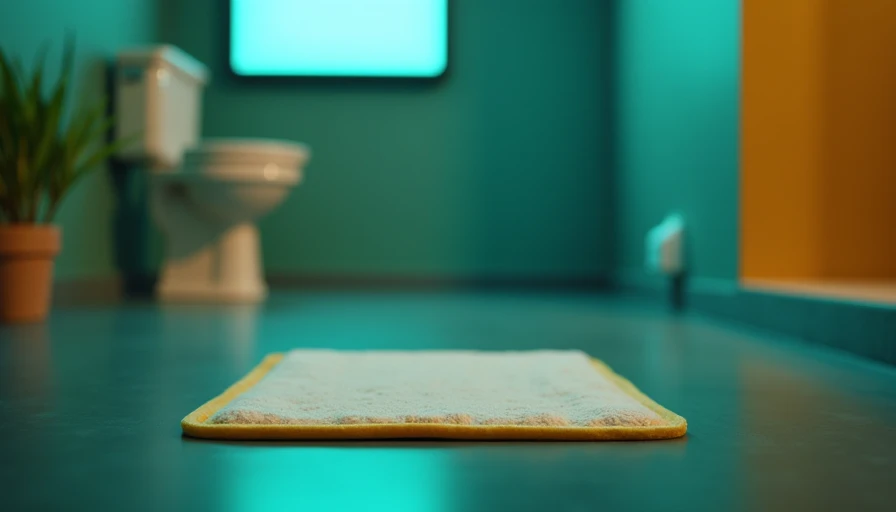
Carry waste bags and clean up every time. Good hallway manners protect your relationship with neighbors, who may be less patient with repeated accidents than you are. A washable mat near the door can also catch wet paws without becoming a substitute toilet.
Handle accidents without creating fear
Accidents are information, not evidence that your puppy is stubborn. If you catch the puppy beginning to urinate, use a neutral interruption such as outside, pick the puppy up if safe, and go straight to the chosen spot. Praise any remaining elimination outdoors. If you find a puddle later, simply clean it thoroughly. Scolding after the fact teaches fear of people, not location.
How to housetrain a puppy in an apartment works best when supervision changes immediately after an accident. Ask what happened: Was the last trip too long ago? Did play become intense? Was the puppy allowed to wander after a meal? Adjust one variable and watch the next cycle. Never rub a puppy’s nose in a mess. That outdated response can make a puppy hide to urinate, which makes the problem harder to see and solve.
Indoor pads can be useful in limited situations, such as a severe weather emergency, a puppy with medical restrictions, or a high-rise home where outdoor access is temporarily impossible. They can also slow outdoor training if used everywhere and at random times. If you use one, place it in one consistent location and continue rewarding outdoor elimination more generously.
Nighttime and workday strategies
At night, place the crate near your bed so you can hear restlessness before it becomes an accident. A very young puppy may need one overnight trip. Keep it boring: leash on, lights low, potty spot, quiet praise, and straight back to bed. Do not begin a play session at 2 a.m. As bladder control improves, the overnight trip usually disappears naturally.
For how to housetrain a puppy in an apartment while working, arrange help during the longest gap. A trusted friend, dog walker, or pet sitter can provide a timely potty break, often for roughly $15 to $30 depending on your area and visit length. A puppy should not spend a full workday crated. If help is unavailable, a secure pen with a sleeping area and an approved emergency toilet area is kinder than expecting impossible control.
Keep departures and arrivals calm. Excitement can trigger urination, particularly in young or timid puppies. Take the puppy outside shortly after you return, and avoid allowing a frantic greeting to replace the bathroom trip.
When progress stalls
Most puppies improve through steady repetition, but a sudden setback deserves attention. Contact your veterinarian if the puppy urinates unusually often, strains, cries, drinks dramatically more water, has blood in the urine, develops diarrhea, or was reliably clean and then begins having frequent accidents. Medical problems, parasites, pain, and stress can all affect elimination.
How to housetrain a puppy in an apartment is also harder when the household uses different rules. One person cannot reward outdoor potty while another leaves the puppy loose for two hours after breakfast. Write the routine on the refrigerator: wake, outside, breakfast, outside, supervised play, nap, outside. Everyone should use the same words and the same reward timing.
Progress is rarely perfectly straight. A rainy day, a late meal, a visitor, or a missed elevator can create a messy afternoon without erasing earlier learning. Stay consistent, shorten the schedule when needed, and notice the quiet successes. With patient supervision and a route you can repeat, your puppy can become a reliable apartment companion without your home revolving around panic.
No comments yet — grab the first one.