If you are searching for how to treat a cat cold at home, you are probably watching a beloved cat sneeze, sniffle, or blink through watery eyes and wondering whether you should be worried. The good news is that many mild upper respiratory infections improve with supportive care, rest, and time. Your job is not to force a cure; it is to help your cat breathe, drink, eat, and stay comfortable while you watch for signs that need veterinary attention.
A cat cold is usually a viral or bacterial infection affecting the nose, throat, and eyes. Common symptoms include sneezing, clear or cloudy nasal discharge, congestion, mild coughing, tiredness, and reduced appetite. Cats often eat less because they cannot smell food well. That detail matters: a stuffy nose can turn an otherwise manageable illness into a nutrition and hydration problem.
Start by checking how sick your cat seems
Before trying home care, watch your cat for several minutes. Is breathing quiet and easy, or is your cat breathing with an open mouth? Is the cat willing to stand, walk, and respond to you? Has it eaten anything and used the litter box? These simple observations tell you more than one dramatic sneeze.
A cat that is alert, breathing normally, and taking in some food and water can often be monitored closely for a short period. If symptoms are mild, how to treat a cat cold at home begins with comfort rather than medication. Give your cat a warm, quiet room away from drafts, noisy children, and other pets. Wash your hands after handling the sick cat, especially if you have multiple cats, because respiratory infections can spread between them.
Do not give human cold medicine, acetaminophen, ibuprofen, aspirin, decongestants, or leftover antibiotics. These products can be dangerous or fatal to cats. Essential oils and strongly scented vapor products can also irritate a cat's airways. A good start beats a late fix, and safe simplicity is usually the best beginning.
Gentle ways to ease congestion and eye discharge
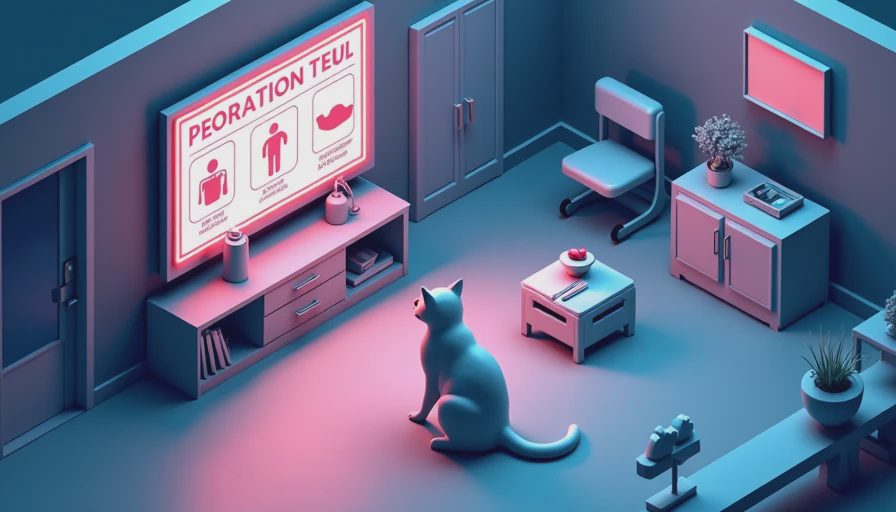
One practical part of how to treat a cat cold at home is cleaning discharge before it becomes crusted. Use a soft cotton pad or clean washcloth dampened with warm water. Wipe from the inner corner of the eye outward, using a fresh section for each pass and a separate pad for each eye. For the nose, soften dried mucus with warm water and wipe gently. Never pick at stuck material or push anything into a nostril.
Humidity can make breathing more comfortable. Sit with your cat in a steamy bathroom for about 10 to 15 minutes while a hot shower runs, but keep the cat safely away from the water. Stop if your cat becomes distressed, pants, or tries to escape. A cool-mist humidifier placed nearby can be useful as long as it is cleaned regularly and contains plain water only. Do not confine a frightened cat in a closed bathroom or cover a carrier with heavy blankets.
Warm, strong-smelling food often helps a congested cat eat. Offer the usual wet food slightly warmed, or try a small amount of plain cooked chicken with no salt, onion, garlic, or seasoning as a temporary enticement. Serve small portions several times a day and remove uneaten food after a reasonable interval. Never force-feed a struggling cat, because food can enter the airway.
How to treat a cat cold at home while supporting hydration
Fresh water should be available in more than one easy-to-reach location. Some cats drink more from a wide ceramic bowl, while others prefer a fountain. Adding a little water to wet food can increase fluid intake without turning mealtime into a battle. Monitor the litter box as well as the water bowl; noticeably less urine, repeated vomiting, or profound weakness can signal dehydration or another problem.
Keep a simple kitchen note of when your cat eats, drinks, urinates, and receives cleaning. This prevents guesswork at 2 a.m. and gives your veterinarian useful information if a visit becomes necessary. Most uncomplicated respiratory infections start improving over several days, but sneezing or congestion can linger longer. Improvement should be gradual, not a pattern of getting better and then suddenly declining.
If another cat lives in the home, provide separate food and water bowls and, when practical, a separate room and litter box. Wash bedding and clean bowls daily. Total isolation is not always realistic, but reducing close contact helps protect healthy pets. Do not share medications between cats; the right treatment depends on the individual animal and the cause of the illness.
When home care is not enough
The most important part of how to treat a cat cold at home is knowing when to stop treating it as a minor cold. Contact a veterinarian promptly if your cat has open-mouth breathing, obvious effort with each breath, blue or gray gums, collapse, severe weakness, or repeated vomiting. Those signs warrant urgent care rather than another humidifier session.
Arrange a veterinary appointment if your cat refuses food for about a day, cannot keep water down, becomes increasingly withdrawn, develops thick yellow or green discharge, has painful or cloudy eyes, or shows a high fever if one has been measured safely. Kittens, senior cats, pregnant cats, and cats with asthma, heart disease, or a weakened immune system deserve earlier advice because they can worsen more quickly.
A clinic may examine the mouth, eyes, lungs, temperature, and hydration status. Depending on the findings, treatment could include prescription eye medication, fluids, appetite support, or medication for a secondary bacterial infection. Antibiotics do not treat viruses, so they should not be started simply because the nose is runny. Calling early can also prevent a more expensive emergency visit later.
A simple care plan for the next 24 hours
For the first day, settle your cat in a warm, quiet space and record breathing, appetite, water intake, and litter box use. Clean the eyes and nose with warm water as needed. Offer warmed wet food in small portions, provide multiple water sources, and use gentle humidity if your cat accepts it. Keep other pets from crowding the sick cat, and avoid all human medications and essential oils.
Recheck your cat several times rather than hovering constantly. A sleeping cat with relaxed breathing is usually more comfortable than one repeatedly picked up for inspection. If symptoms are stable or improving, continue supportive care and arrange a routine call if you remain uncertain. If the cat is declining, breathing differently, or not eating, seek veterinary help.
That is how to treat a cat cold at home safely: focus on warmth, clean airways, fluids, food, and careful observation. You do not need a cabinet full of products. You need a calm plan, a low threshold for professional advice, and the willingness to act when the picture changes.




No comments yet — grab the first one.