Finding worms in your puppy's stool can turn an ordinary morning into a frantic internet search. Take a breath. Intestinal worm treatment for dogs is common, and most cases respond well when the parasite is identified and the medication is given correctly. The important first step is knowing which worm you are dealing with, because one dewormer does not treat every parasite.
Common intestinal worms and the clues they leave
Roundworms often affect puppies and may look like pale strands in stool or vomit. Hookworms are much smaller, but they can cause diarrhea, weakness, pale gums, or poor growth because they feed on blood. Tapeworm segments usually look like moving grains of rice around the anus or in fresh stool. Whipworms can cause recurring diarrhea and weight loss, especially in adult dogs.
A dog can carry intestinal parasites without obvious symptoms. Some dogs simply have soft stool, extra gas, a dull coat, or a potbellied appearance. Puppies, senior dogs, and dogs with other illnesses can become unwell faster. People can also be exposed to certain parasites through contaminated soil or feces, so prompt cleanup and handwashing matter in a household with children.
A photograph of a suspicious worm can help, but it is not a diagnosis. Bring a fresh stool sample to your veterinarian in a sealed container, ideally collected the same day. A fecal test can identify parasite eggs or organisms that are not visible to the naked eye.

How intestinal worm treatment for dogs is chosen
Your veterinarian selects medication based on the suspected parasite, your dog's weight, age, health history, and test results. Common veterinary deworming ingredients include pyrantel, fenbendazole, praziquantel, and milbemycin, but each has a different target. Pyrantel is commonly used for roundworms and hookworms, while praziquantel is used for tapeworms. Fenbendazole may be prescribed for several intestinal parasites, including some whipworm infections.
The dose is not a guess based on breed or a quick look at your dog. A 12-pound terrier and a 70-pound retriever need very different amounts, and an underweight puppy may require additional attention. Follow the label or prescription exactly, including repeat doses. Some parasites have life cycles that make a second treatment necessary after eggs hatch.
Do not give a human dewormer, leftover medicine from another dog, or a product purchased for a different species. Combination products can overlap, and some ingredients are inappropriate for young puppies, pregnant dogs, or dogs with liver disease. When in doubt, call the clinic before giving the next dose.
What to expect after treatment
Many dogs have no dramatic reaction after deworming. Mild loose stool, temporary nausea, or reduced appetite can occur, especially when the intestinal tract is already irritated. Offer water and small meals if your veterinarian agrees. Avoid sudden diet changes while your dog's gut is settling.
You should contact a veterinarian promptly if your dog has repeated vomiting, bloody diarrhea, severe weakness, pale gums, a swollen painful abdomen, trouble breathing, or cannot keep water down. A puppy with heavy hookworm infection can become seriously anemic, while dehydration can develop quickly in a small dog.
Treatment is not complete simply because you no longer see worms. Your veterinarian may recommend a follow-up fecal test, particularly for puppies, persistent diarrhea, or whipworm infections. Wash bedding, clean accidents quickly, and remove stool from the yard every day. Medication addresses parasites inside the dog; sanitation reduces the chance of reinfection.
Preventing another infection at home
The most useful prevention plan is routine stool removal, clean water, and a parasite-control schedule suited to your region and lifestyle. Dogs that visit dog parks, hike, hunt, eat prey, or live with multiple pets may have different exposure risks from a dog who mostly walks on sidewalks.
Ask your veterinarian whether monthly heartworm prevention with intestinal parasite coverage is appropriate. Products from brands such as Heartgard, Interceptor Plus, Simparica Trio, and Advantage Multi have different ingredient combinations and approved uses. The right choice depends on your dog's age, weight, medical history, and the parasites common where you live. Product names are not interchangeable, so read the active ingredients rather than choosing by packaging alone.
Keep dogs from eating feces, rodents, or wildlife remains, although perfect prevention is difficult with puppies. Wash your hands after yard cleanup, before preparing food, and after handling a dog with diarrhea. Indoor cats and other pets may also need evaluation if they share litter areas, bedding, or outdoor space.
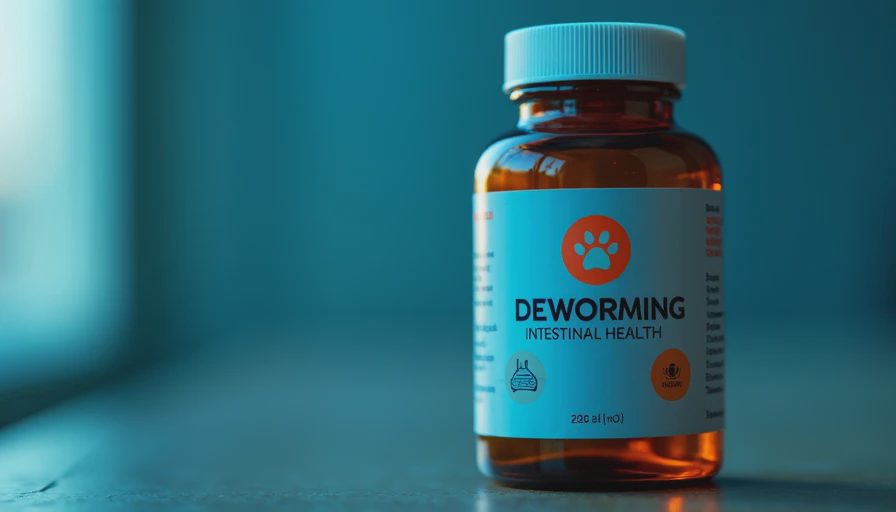
A simple vet-visit checklist
Bring a fresh stool sample, your dog's current weight, a list of medications, and a photo of anything unusual in the stool. Write down when diarrhea began, how often your dog is eating and drinking, and whether vomiting or weight loss is present. If you recently adopted the dog, include shelter or breeder records and the date of the last deworming.
Ask four practical questions: Which parasite was found? What medicine is being used and for how many days? Is a repeat dose or test needed? What cleaning steps should every household member follow? These questions prevent the most common mistake I see: giving one dose, seeing improvement, and assuming the entire life cycle has been interrupted.
Costs vary by clinic and dog size. A basic exam and fecal test often fall in the range of $50 to $150, while prescription medication may add roughly $15 to $80 for a straightforward case. Emergency care costs more, but early advice by phone can sometimes prevent an unnecessary urgent visit. A good start beats a late fix.
When intestinal worm treatment for dogs needs extra care
Young puppies should be evaluated rather than treated casually, because parasites can affect growth and cause anemia or dehydration. Pregnant or nursing dogs also need a veterinarian's plan, since medication choices and timing matter. Dogs with chronic diarrhea, unexplained weight loss, or repeated positive tests may need more than a single dewormer. The problem could include reinfection, an untreated parasite, dietary disease, or another intestinal condition.
If one dog in a multi-pet home tests positive, tell the veterinarian about every animal. The clinic may recommend testing or preventive adjustments for housemates, especially when they share a yard. Do not automatically medicate every pet with the same product; cats, puppies, and small animals have different safety requirements.
For most families, intestinal worm treatment for dogs is a manageable veterinary task, not a reason to panic. Identify the parasite, use the correct product at the correct dose, clean the environment, and complete follow-up care. If you are unsure what you found or your dog looks genuinely ill, call your veterinarian today rather than trying to solve the mystery with a cabinet full of medications.





No comments yet — grab the first one.