A cat nail infection can make an otherwise cheerful cat suddenly limp, hide, or object when you touch a paw. The good news is that many nail and claw problems are treatable, especially when you notice them early. I know that first glimpse of redness around a claw sends many new cat owners straight to the internet. Take a breath, look carefully, and remember: a good start beats a late fix.
What a cat nail infection can look like
Cats are excellent at concealing discomfort, so small changes matter. You may see a swollen toe, pink or red skin around the claw, yellowish discharge, dried blood, or a nail that looks split, thick, or oddly angled. Some cats lick one paw repeatedly. Others stop using a scratching post, hesitate before jumping onto the couch, or hold a foot up while walking.
A cat nail infection is not always dramatic. The paw may simply smell different, feel warmer than the other paws, or have a crust at the base of the claw. Compare the affected foot with the matching foot on the opposite side, but do not squeeze the toe to search for fluid. A painful cat may bite even if it is normally gentle.
Try to identify whether the problem is limited to one claw or involves several. One affected claw often follows an injury, a torn nail, or something caught between the toes. Several abnormal claws can point toward skin disease, allergies, an immune problem, or another condition that deserves a veterinary examination.
Common causes and what they mean
The most common trigger is minor trauma. A claw can snag in carpet, a blanket, or a scratching post and tear partway. Cats can also injure a nail during a jump, a disagreement with another animal, or an overly enthusiastic attempt to escape a carrier. Once the protective outer layer is damaged, bacteria can enter the surrounding tissue and create a cat nail infection.
An overgrown claw is another frequent cause, particularly in senior cats or cats with arthritis that no longer use scratching surfaces regularly. Curved nails can grow into the paw pad, causing a painful wound that looks like a nail problem. Check the dewclaws too; because they do not touch the ground, they can become surprisingly long.
Less commonly, recurring nail inflammation is connected with allergies, fungal disease, mites, or an immune-mediated disorder. These causes usually produce changes in more than one claw or return after treatment. A veterinarian may recommend skin tests, a nail sample, or other diagnostics when the pattern is unusual. That is not overreacting; it is how treatment is matched to the actual cause.
When to call your veterinarian
Arrange a veterinary visit within a day or two if swelling, discharge, bleeding, or obvious pain continues. Same-day advice is sensible when your cat will not bear weight, the toe is rapidly enlarging, the nail is hanging off, or your pet seems feverish, weak, or unusually withdrawn. A cat nail infection that reaches deeper tissue can require more involved care than a superficial sore.
Urgent care is appropriate for uncontrolled bleeding, severe pain, a deep puncture, or a toe that looks dark, cold, or badly damaged. These signs do not automatically mean a disaster, but they do mean home observation is not enough. Call the clinic before traveling if your cat is difficult to handle; the team can explain safe carrier preparation and whether pre-visit medication is appropriate.
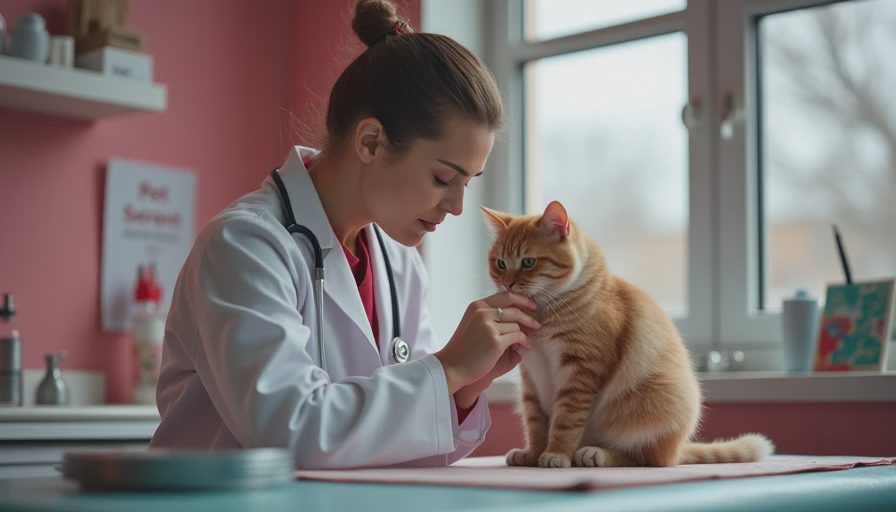
At the appointment, the veterinarian may gently examine the claw, trim away damaged material, flush the area, and prescribe medication. Depending on the findings, treatment might include a topical product, oral antibiotics for a bacterial infection, pain relief, or an Elizabethan collar to stop licking. Never give human pain relievers such as ibuprofen or acetaminophen. They can be dangerous or fatal to cats.
Safe care while you wait
If the paw is only mildly irritated and your cat is comfortable, keep the animal indoors and limit jumping. You can gently rinse visible dirt from the foot with lukewarm water, then pat it dry with a clean towel. Do not use hydrogen peroxide, rubbing alcohol, tea tree oil, or leftover prescription cream. These products can damage tissue, cause toxicity, or hide important changes from your veterinarian.
Do not pull off a partially attached claw. Do not dig under the nail, cut into a swollen toe, or force the paw open while your cat struggles. Place food, water, and a low-sided litter box nearby so your pet does not need to climb. If licking is constant, ask a clinic about a properly fitted cone rather than improvising a tight wrap.
For a cat nail infection, a photograph taken before cleaning can be useful. Take one from above and one from the side, using a coin or ruler for scale if your cat cooperates. Note when you first saw the problem, whether appetite and litter box habits are normal, and whether the cat has been limping. Those details help the veterinarian make a faster decision.
Treatment costs and recovery
A straightforward examination and nail trim often cost roughly $75 to $200 in many US clinics, before medication. Emergency visits, sedation, laboratory testing, or treatment of a deep abscess can raise the total to several hundred dollars. Prices depend on location and complexity, so ask for an estimate before additional procedures are performed.
Recovery is usually measured in days to a few weeks, depending on the injury and whether infection is present. Give every prescribed medication for the full instructions provided, even if the paw looks better quickly. Keep the litter box clean and use low-dust litter if the veterinarian recommends it. Contact the clinic if swelling returns, discharge increases, or your cat stops eating.
A cat nail infection that improves and then repeatedly returns needs a follow-up plan rather than repeated rounds of leftover medicine. Recurrence can mean the original source, such as an ingrown claw or skin condition, has not been corrected.
Preventing future claw problems
Inspect your cat's paws once a week when the animal is relaxed. Look for claws touching the floor, cracks, redness, odor, and changes in scratching behavior. Trim only the sharp tip when needed, avoiding the pink quick inside the nail. If claws are dark or your cat resists, have a veterinary technician demonstrate the process; a professional trim is often inexpensive and safer than a wrestling match.
Provide sturdy scratching posts with both vertical and horizontal surfaces. Place them near favorite sleeping areas, because cats often stretch and scratch after waking. Keep carpet loops, loose threads, and snag-prone blankets away from active cats. Senior cats benefit from easy access to food, water, litter, and resting places so arthritis does not make grooming and claw care harder.
With prompt attention, a cat nail infection is usually a manageable problem, not a reason to panic. Notice the change, protect the paw, avoid risky household remedies, and contact your veterinarian when pain or swelling is more than mild. A calm response and an early appointment give your cat the best chance of a quick, comfortable recovery.



No comments yet — grab the first one.