When you notice your dog not drinking water but peeing, it is understandable to feel concerned. Water intake and urination are connected, but they do not always change at exactly the same time. A dog might drink less for a day after eating wet food, resting more, or feeling mildly nauseated, while still passing urine made from fluids consumed earlier. The important questions are how long this has been happening, how much urine your dog produces, and whether other symptoms are present.
I am the family vet who talks first-time owners down from the ledge every week. In many cases, one quiet water bowl is not an emergency. Still, reduced drinking deserves sensible observation because dehydration, kidney disease, diabetes, urinary problems, pain, and stomach illness can all affect a dog's routine. A good start beats a late fix.
Why a dog may pee while drinking less
The simplest explanation is timing. Your dog may have had a normal amount of water overnight or earlier in the day, then temporarily lost interest in the bowl. Moist canned food, homemade food, ice cubes, treats, and water added to kibble also contribute to total fluid intake. A dog that ate a serving of wet food may drink noticeably less than a dog eating dry food.
Stress can play a part, too. Travel, a new pet, loud construction, boarding, hot weather followed by air conditioning, or a changed feeding schedule can alter drinking habits. Some dogs drink less when a bowl is dirty, moved, placed beside a noisy appliance, or shared with another animal. If your dog is otherwise bright, eating normally, breathing comfortably, and producing a normal amount of pale yellow urine, a short period of monitoring is reasonable.
However, dog not drinking water but peeing can also describe the early stage of illness. A dog with nausea may urinate normally before vomiting begins. A dog with kidney trouble may have changing thirst and urine patterns, while a dog with diabetes often drinks and urinates more rather than less. These differences are why the whole picture matters more than one observation.
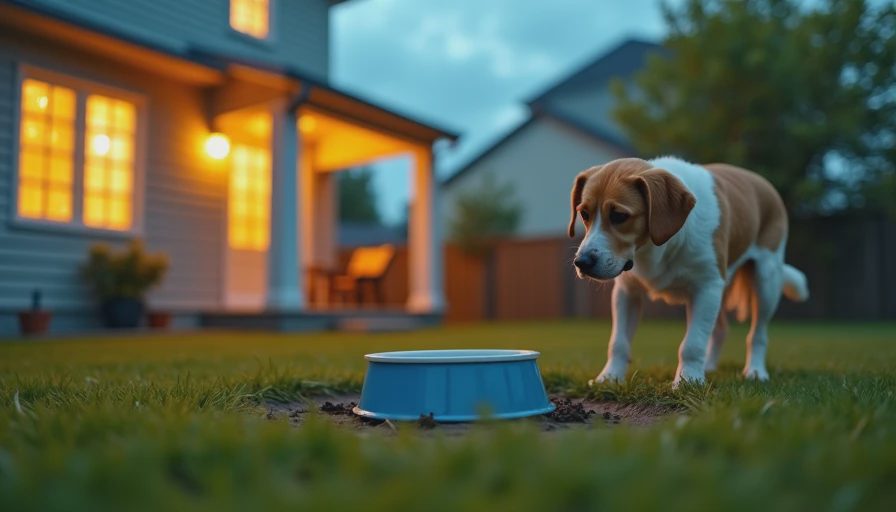
Check hydration without making your dog anxious
Start with a calm, practical check. Look at your dog's gums. They should generally feel moist, not sticky or dry. A dog with very pale, gray, blue, or unusually white gums needs prompt veterinary attention. You can also watch energy, appetite, breathing, and willingness to move. A mildly thirsty dog often remains interested in normal activities; a dehydrated or painful dog may become weak, withdrawn, restless, or reluctant to walk.
Do not rely on the skin-tent test alone. Skin elasticity changes with age, body condition, and breed, so it can be misleading, especially in older or overweight dogs. Instead, record what goes into the dog and what comes out. Measure the water bowl before and after a few hours, note meals, and watch whether urine is a normal stream, only a few drops, or absent. A short video of unusual urination can help your veterinarian.
Offer fresh water in two or three quiet locations. Wash the bowl, try a wide ceramic or stainless-steel dish, and add a small amount of water to food if your dog accepts it. Never force water into the mouth with a syringe unless a veterinarian has specifically instructed you; aspiration into the lungs is a real risk.
When urination changes the level of concern
The pattern of urination is more useful than the fact that your dog has peed once. Frequent squatting, straining, dribbling, licking the genital area, crying, blood in the urine, or accidents indoors can indicate bladder irritation, infection, stones, or an obstruction. A dog that repeatedly tries to urinate but produces little or nothing needs urgent care, particularly if the dog is male. A blocked urinary tract can become life-threatening.
Dog not drinking water but peeing should also be taken seriously when urine volume is unusually large, very dark, foul-smelling, or dramatically different from normal. Dark yellow urine can occur with concentrated urine, while red or brown urine deserves veterinary assessment. Do not give human pain medicine or leftover antibiotics. Products such as ibuprofen, naproxen, and acetaminophen can be dangerous for dogs, and the wrong antibiotic can delay proper treatment.
If your dog has not eaten, is vomiting, has diarrhea, seems painful, or has a chronic condition such as kidney disease, liver disease, diabetes, or heart disease, call your veterinary clinic sooner rather than waiting several days. Puppies, senior dogs, and very small dogs can become unwell more quickly.

A simple home-monitoring plan
For the next several hours, keep your dog in a comfortable, familiar area and make water easy to reach. Offer the usual food rather than switching suddenly to rich treats or table scraps. Write down the time of each drink, meal, urination, bowel movement, and any vomiting. If you have a kitchen scale and your dog tolerates it, a daily weight can reveal a meaningful trend, but do not create a struggle around weighing.
Call your regular veterinarian if reduced drinking continues through the day, returns repeatedly, or is paired with a noticeable change in urine. The clinic may recommend an examination, urinalysis, blood work, or imaging depending on age and symptoms. A urinalysis can provide useful information about concentration, blood, inflammation, glucose, and signs of infection. These tests are not automatically excessive; they help separate a simple behavior change from a problem that needs treatment.
Dog not drinking water but peeing does not automatically mean kidney failure, diabetes, or an emergency. It does mean you should observe carefully instead of guessing from the bowl alone. Most clinics can help you decide whether your dog needs a same-day visit based on a short symptom history.
Emergency signs to recognize
Seek urgent veterinary care if your dog cannot keep fluids down, collapses, has severe weakness, has a swollen or painful abdomen, struggles to breathe, has repeated unproductive attempts to urinate, or has no urine despite trying. Seek immediate help for suspected toxin exposure, especially antifreeze, medications, chemicals, or an unknown substance. Bring packaging or a photo if it is safe to do so, and do not induce vomiting unless a veterinary professional tells you how.
A dog who is alert, comfortable, eating, and urinating normally can often be watched closely for a short period. Still, trust a clear change in your own pet's behavior. You know whether that quiet dog is simply having a low-drink morning or is acting genuinely unwell. Dog not drinking water but peeing is a useful observation to share with the clinic, not a diagnosis by itself.
The best next step is simple: refresh the water, check the gums and energy level, track urine, and contact your veterinarian when the pattern persists or warning signs appear. Calm observation gives you better information, and prompt help prevents small problems from becoming harder ones.
No comments yet — grab the first one.