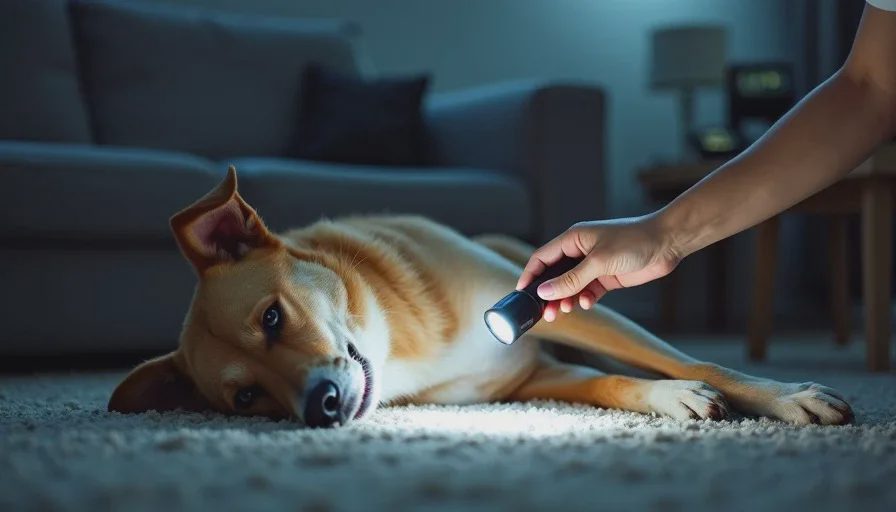
Knowing when to call the vet and when to wait is the single hardest skill for a new pet owner to develop, and I have been on both sides of that phone call — as the panicked owner and as the vet answering at 3 a.m. I am Willa Sutter, a veterinarian in Colorado Springs with 14 years of clinical experience, and I am going to give you the triage framework I use in my own practice. The goal is not to make you a vet — it is to help you sort real emergencies from the scary-but-normal stuff so you can act with confidence instead of panic. A good start beats a late fix, and in emergency medicine, recognizing the difference early can save your pet's life and save you thousands of dollars in unnecessary ER visits.
The Triage Framework: Three Questions
Every triage decision comes down to three questions that I train my clients to ask themselves. Answer these honestly, and you will usually know whether you are dealing with an emergency or something that can wait until morning.
Question 1: Is There Bleeding That Will Not Stop?
Active bleeding is the clearest emergency signal in veterinary medicine. A small cut on a paw pad that stops within five minutes is not an emergency. Blood that soaks through a clean towel in under three minutes is. Apply firm pressure with a clean cloth for 5–10 minutes. If the bleeding continues after that, go. Do not remove the towel to check — just add layers and keep pressing.
The locations that bleed aggressively are nail quicks (they look like a crime scene but are rarely dangerous), ear flap lacerations (ears have a massive blood supply and will not stop on their own), and any wound near the chest or abdomen. If you are unsure, call your nearest emergency clinic and describe what you see — they will tell you to come in or wait.
Question 2: Is Breathing Labored or Abnormal?
Breathing Pattern | What It Looks Like | Action |
|---|---|---|
Panting after exercise | Rapid open-mouth breathing, settles within 10–15 min | Normal — monitor |
Reverse sneezing | Snorting, honking sound, dog looks distressed | Usually benign — ride it out |
Open-mouth breathing at rest | Mouth open, breathing fast, not after exercise | Call vet immediately |
Abdominal breathing | Stomach moves dramatically with each breath | Emergency — go now |
Blue or pale gums | Gums look blue, white, or gray instead of pink | Emergency — go now |
Coughing up foam or blood | Productive cough with pink froth | Emergency — go now |
Breathing issues are the one category where I would rather you overreact than underreact. If your dog or cat is struggling to breathe, minutes matter. Do not wait to see if it resolves.
Question 3: Is the Gum Color Normal?
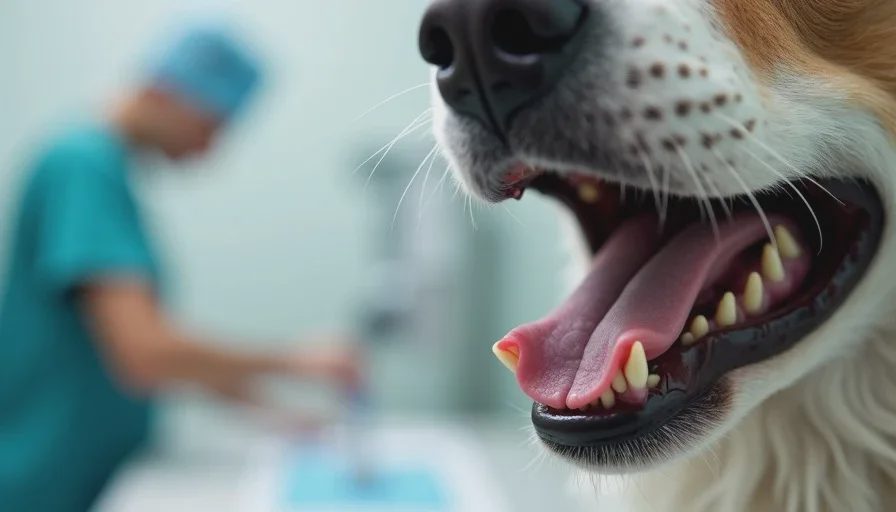
Lift your pet's lip and look at the gums. Healthy gums are bubble-gum pink. Press your finger on the gum, release, and count how long it takes for the color to return — it should be under 2 seconds. This is called capillary refill time, and it tells you about hydration and circulation.
Pink and moist: Normal — your pet is likely stable
Pale or white: Possible blood loss, shock, or internal bleeding — call the vet
Blue or purple: Oxygen deprivation — emergency, go now
Bright red: Possible heatstroke or septic shock — call the vet
Tacky/dry to the touch: Dehydration — offer water, call if it persists
I check my dogs' gums so often that my kids think it is a normal greeting. It takes three seconds and it is the single most useful quick assessment tool a pet owner can learn.
The "Wait Until Morning" List
These are the calls I get at 2 a.m. that almost always can wait until your regular vet opens at 8 a.m. I am not dismissing your worry — I am telling you that waiting is usually safe and that an ER visit at 3 a.m. will cost you three to four times what your regular vet will charge at 8 a.m.
Vomiting Without Other Symptoms
A single episode of vomiting in an otherwise alert, hydrated pet is almost never an emergency. Dogs vomit for reasons ranging from eating too fast to scavenging something in the yard. If your dog vomits once, acts normally afterward, and is interested in food or water within a few hours, you can wait. Call your vet in the morning if it happens more than twice in 24 hours, if there is blood in the vomit, or if your dog becomes lethargic.
Cats are slightly different — cats that vomit more than twice in a day or who stop eating should be seen sooner, because cats can develop fatty liver disease (hepatic lipidosis) if they go without food for more than 48 hours. This is one of those species-specific details that matters.
Diarrhea Without Blood
Loose stool is alarming to look at but is rarely an emergency in an adult dog or cat who is otherwise acting normally. Offer small amounts of water, withhold food for 6–12 hours, then reintroduce a bland diet (boiled chicken and white rice). Call your vet if diarrhea persists beyond 48 hours, if you see blood, or if your pet becomes lethargic or stops drinking.
Limping Without Trauma
If your dog starts limping but you did not see a fall, a collision, or any traumatic event, and the limping is mild (toe-touching, not non-weight-bearing), you can usually wait. Rest your dog — no walks, no stairs, no jumping — for 24–48 hours. If the limp improves, schedule a routine vet visit. If it worsens or your dog will not put any weight on the limb, call your vet.

The "Do Not Wait" List
These are the situations where you pick up the phone or get in the car immediately. I have seen owners delay on each of these, and the outcomes were uniformly worse for the waiting.
Bloat (Gastric Dilatation-Volvulus)
Bloat is the emergency I lose sleep over. It happens most often in deep-chested breeds — Great Danes, German Shepherds, Standard Poodles, Weimaraners — but it can happen to any dog. The stomach fills with gas and twists on itself, cutting off blood flow. Signs include a swollen or distended abdomen, unproductive retching (trying to vomit but nothing comes up), restlessness, pacing, and drooling. If you see these signs, do not wait. Bloat can kill a dog within hours. Surgery is the only fix.
Toxin Ingestion
If your pet eats something toxic, time is critical and the window for effective treatment is often narrow. Common toxins I see in my practice:
Grapes and raisins: Can cause acute kidney failure in dogs — induce vomiting immediately if within 1 hour, then go to the vet
Xylitol (sugar-free gum, peanut butter): Causes dangerous blood sugar drops and liver damage — go immediately
Chocolate: Dark and baking chocolate are the most dangerous — call your vet or animal poison control with the amount and type
Antifreeze: Even small amounts cause fatal kidney failure — this is a race to the clinic
Human medications: Ibuprofen, acetaminophen, and antidepressants are all toxic — call immediately
I keep the number for ASPCA Animal Poison Control (888-426-4435) saved in my phone. There is a consultation fee, but their guidance has saved animals in my practice more times than I can count.
Difficulty Urinating
If your dog or cat is straining to urinate and producing little or nothing, this is an emergency — especially in male cats. A urinary blockage can kill a cat within 24–48 hours. If your male cat is visiting the litter box repeatedly, crying, or producing only drops, do not wait until morning.
Sudden Neurological Changes
Staggering, circling, head pressing, seizures, sudden blindness, or collapse are all reasons to seek immediate veterinary care. These signs can indicate anything from toxin exposure to a brain tumor to a stroke. I would rather see ten dogs that turn out to be fine than miss one that is in real trouble.
The Phone Call Script
When you call your vet or the emergency clinic, be ready to answer four questions clearly. This saves time, and in an emergency, time is everything:
What is the problem and when did it start?
What is your pet's breed, age, and sex?
Is your pet currently conscious, breathing normally, and able to stand?
Do you have any idea what your pet may have eaten or been exposed to?
I tell my clients to write these four answers down before they call. Panic makes people forget details, and the details are what help us triage over the phone.



No comments yet — grab the first one.