Seeing dog blood in diarrhea can turn an ordinary morning cleanup into a full panic spiral. Take a breath. A small streak of bright red blood is not always an emergency, especially if your dog is alert, drinking, and otherwise acting normally. Still, blood means the lower digestive tract is irritated, so it deserves careful observation and, in many cases, a call to your veterinary clinic.
The most useful first step is to look at the color, amount, and overall behavior. Bright red blood usually comes from the colon or rectum. Black, sticky, or tar-like stool can indicate digested blood from higher in the gastrointestinal tract and is more concerning. If you see dog blood in diarrhea along with weakness, repeated vomiting, pale gums, collapse, or severe belly pain, contact an emergency veterinarian rather than waiting overnight.
Common reasons blood appears in loose stool
Dogs can develop bloody diarrhea after eating table scraps, getting into a trash can, chewing a toy, or receiving a sudden food change. Stress can also irritate the colon. A boarding stay, a long car ride, fireworks, or the arrival of another pet can trigger colitis, which often causes frequent small bowel movements with mucus and red streaks.
Parasites such as hookworms, whipworms, and Giardia are another possibility, particularly in puppies, shelter dogs, and dogs that visit dog parks. Bacterial infections, viral illnesses, food intolerance, and inflammatory bowel disease can also cause diarrhea. In unvaccinated puppies, severe or rapidly worsening diarrhea raises concern for parvovirus, which requires prompt veterinary care.
Occasionally, blood follows straining. A dog with an irritated colon may squat repeatedly and pass only a small amount of mucus, stool, and bright red blood. That pattern can look dramatic without representing major blood loss. On the other hand, a large volume of blood, jelly-like red material, or stool that resembles raspberry jam should be treated as urgent.

What to check before calling your veterinarian
Write down when the diarrhea started, how many episodes occurred, and whether your dog is eating and drinking. Take a clear photograph or save a fresh stool sample in a sealed container. Your veterinarian may use that information to decide whether your dog needs an examination, fecal testing, blood work, fluids, or medication.
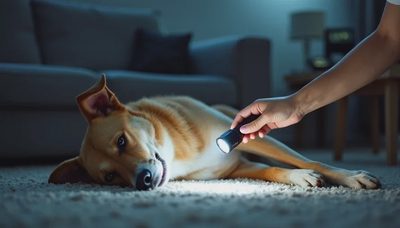
Check the gums by lifting the lip gently. Healthy gums are usually pink and moist. Very pale, gray, white, or tacky gums are warning signs. Notice whether your dog can stand and walk normally, responds to your voice, and shows interest in water. Check for vomiting, a swollen abdomen, fever, trembling, or signs of pain such as whining, prayer position, hiding, or repeatedly looking at the belly.
Age matters. A healthy adult dog with one loose stool and a tiny bright-red streak may be monitored closely after speaking with a clinic. A puppy, senior dog, pregnant dog, or dog with diabetes, kidney disease, or another chronic condition has less room for fluid loss and should be assessed sooner. Do not wait for a dog blood in diarrhea problem to resolve if your pet is deteriorating hour by hour.
When dog blood in diarrhea is an emergency
Seek urgent care for black tarry stool, continuous bloody diarrhea, repeated vomiting, collapse, difficulty breathing, a painful or distended abdomen, or suspected toxin or foreign-object ingestion. Emergency evaluation is also appropriate if your dog cannot keep water down, refuses all food and water, seems confused, or has pale gums.
Puppies deserve special attention because parvovirus can progress quickly and spreads through contaminated feces. Keep a potentially infected puppy away from other dogs and shared potty areas until a veterinarian advises otherwise. Do not punish accidents or force food. Call ahead so the clinic can provide safe instructions for arrival.
A dog that is bright, comfortable, and having only mild diarrhea may not need an emergency hospital, but a same-day call is still sensible when blood is present. The clinic may recommend an appointment, a fecal sample, or careful home monitoring. The goal is not to scare you; it is to catch dehydration or serious disease before your dog needs intensive treatment.
Safe steps you can take at home
Offer fresh water frequently, but do not force large amounts at once. If drinking triggers vomiting, call your veterinarian. Avoid Pepto-Bismol, Imodium, aspirin, and other human medicines unless a veterinarian specifically directs you to use one. Some products are unsafe for dogs, and medication can hide important symptoms or worsen certain conditions.
Do not give rich treats, fatty leftovers, bones, or new supplements. Ask your veterinarian whether a short bland-food plan is appropriate for your dog; recommendations differ based on age, health, and the suspected cause. Never withhold food from a very young puppy or a dog with a medical condition without professional guidance.
Clean stool promptly, wash your hands, and disinfect contaminated surfaces. If parasites or infection are involved, careful hygiene protects people and other pets. Keep notes on appetite, water intake, energy, vomiting, and each bowel movement. That simple record often helps a veterinarian make faster decisions.
What the veterinary visit may involve
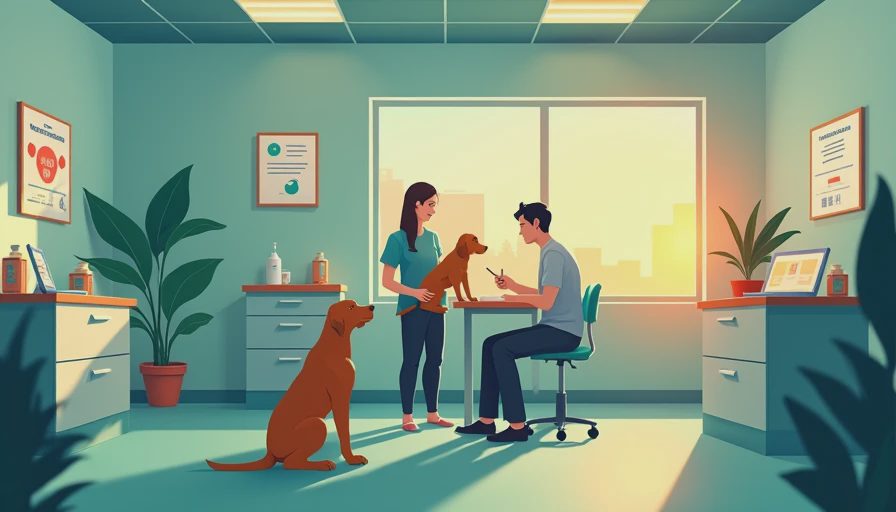
Your veterinarian will usually begin with questions and a physical examination. Bring the stool photograph or sample, medication list, vaccination information, and details about anything unusual your dog could have eaten. A fecal test can look for parasites, while blood tests may assess hydration, infection, anemia, or organ function.
Treatment depends on the cause. Mild colitis may improve with veterinary-directed diet changes and supportive care. Dehydrated dogs may need fluids, and parasite infections require the appropriate dewormer rather than a random over-the-counter product. Dogs with parvovirus, obstruction, severe inflammation, or significant blood loss may need hospitalization.
Costs vary by clinic and location. A routine examination and fecal test might cost roughly $75 to $200, while emergency care, imaging, or hospitalization can run several hundred to several thousand dollars. Calling early is often both safer and less expensive than waiting until dehydration becomes severe.
A calm plan for the next 24 hours
If you notice dog blood in diarrhea, first assess your dog rather than the mess: energy, gum color, hydration, pain, vomiting, and breathing. Next, photograph the stool, remove access to garbage and toys, and call your regular veterinarian for triage. Follow the clinic's feeding and medication instructions exactly.
If your dog improves, stools should gradually become less frequent and more formed. Continue watching for fresh blood, black stool, renewed vomiting, or reduced energy. If signs persist, return, or worsen, arrange an examination even if your dog still wants to play. A good start beats a late fix, and timely information gives your veterinarian the best chance to provide simple, effective care.



No comments yet — grab the first one.