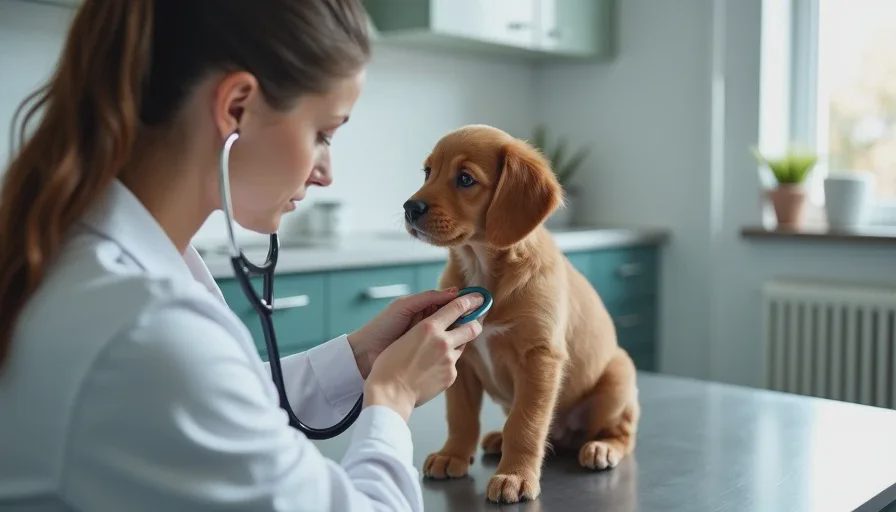
Your first vet visit what to expect can be summed up in one sentence: it's a head-to-tail physical exam, a conversation about diet and prevention, and a vaccination plan — nothing scary, nothing invasive beyond a blood draw in some cases. As a veterinarian who has conducted thousands of these appointments, I can tell you that the clients who get the most value from their first visit are the ones who arrive with questions written down. I'm Willa Sutter, DVM, and I've seen every type of first-time owner in my Colorado Springs clinic — from the calm and prepared to the ones who walk in with a shoebox containing a kitten they found thirty minutes ago. This article gives you the complete script: what happens during the exam, what I check, and exactly what to ask so you leave the appointment informed rather than overwhelmed.
What Happens During the Exam — Step by Step
The physical exam follows a consistent sequence regardless of the animal's species. I start at the nose and work to the tail. Here's the exact order and what each step tells me:
Eyes — Checking for discharge, redness, cloudiness, or asymmetric pupil size. Eye issues can indicate anything from minor irritation to congenital defects.
Ears — Looking for debris, odor, redness, or excess wax. Ear mites are common in puppies and kittens from shelters.
Nose — Assessing for discharge or crusting. A dry nose isn't cause for alarm (that's a myth), but nasal discharge can indicate respiratory infection.
Mouth and teeth — Evaluating gum color, dental alignment, and baby tooth retention. Puppies should have 28 baby teeth; kittens have 26.
Lymph nodes — Palpating under the jaw, in front of the shoulders, and behind the knees. Enlarged nodes can signal infection.
Heart and lungs — Listening with a stethoscope for murmurs, arrhythmias, or abnormal lung sounds. Heart murmurs in puppies are common and often resolve on their own.
Abdomen — Palpating for organ size, masses, or pain. This also checks for intestinal parasites by feeling bowel contents.
Skin and coat — Looking for fleas, ticks, mites, ringworm, or areas of hair loss.
Joints and gait — Watching the animal walk and manipulating each joint for range of motion and pain response.
Temperature — Rectal temperature. Normal for dogs: 101–102.5°F. Normal for cats: 100.5–102.5°F.
What I'm Looking For Beyond the Physical
The exam isn't just about finding disease. I'm also assessing body condition — is this animal underweight or overweight? I'm checking muscle tone, hydration level (by pulling skin at the scruff and seeing how fast it snaps back), and overall demeanor. A fearful puppy versus a confident one changes how I approach the rest of the visit. A good start beats a late fix, and identifying behavioral concerns early lets me refer you to a trainer before small issues become big ones.

The Vaccination and Prevention Conversation
After the physical exam, we discuss the vaccination schedule and parasite prevention. This is where most first-time owners get overwhelmed because there's a lot of information delivered quickly. Here's what to expect so you can prepare.
Core Vaccines: Puppies and Kittens
Vaccine | Species | Age Given | Boosters | Protects Against |
|---|---|---|---|---|
DHPP (distemper, hepatitis, parainfluenza, parvo) | Puppy | 6–8 weeks | Every 3–4 weeks until 16 weeks | Four deadly viral diseases |
Rabies | Both | 12–16 weeks | 1 year, then every 1–3 years | Rabies (required by law in most states) |
Bordetella | Puppy | 8+ weeks | Annually | Kennel cough (recommended if boarding/doggy daycare) |
Leptospirosis | Puppy | 8+ weeks | 2 doses, then annually | Bacterial infection from wildlife urine |
FVRCP (herpesvirus, calicivirus, panleukopenia) | Kitten | 6–8 weeks | Every 3–4 weeks until 16 weeks | Three common and serious feline viruses |
FeLV (feline leukemia) | Kitten | 8+ weeks | 2 doses, then annually | Feline leukemia virus (recommended for outdoor cats) |
I always walk clients through which vaccines are core (recommended for every animal) versus lifestyle-dependent (based on risk factors like boarding, outdoor access, or regional disease pressure). If your vet recommends a vaccine and you're not sure why it's needed, ask. A good veterinarian will explain the reasoning without making you feel pressured.
Your Questions Script — What to Ask and Why
This is the part most owners skip, and it's the most valuable part of the visit. Bring a written list. I'd rather answer ten questions in a well-organized visit than have you call back three times next week. Here's the script I hand to my first-time clients:
The Questions I Hand Every First-Time Client
"How much should I feed, and how often?" — Puppies under six months typically eat three times daily. Kittens can free-feed.
"What food do you recommend, and is the brand I bought appropriate?" — Bring the food bag or a photo of the label.
"When should I transition to adult food?" — Usually at 12 months for dogs, 10–12 months for cats.
"Are there foods I should never give this animal?" — Yes. Ask for the full list. Grapes, onions, xylitol, chocolate for dogs. Lilies are lethal to cats.
"Is this behavior normal for this age?" — Bring a video of anything concerning. Descriptions are helpful; video is invaluable.
"When should I start training, and do you recommend a trainer?" — The answer is now, and yes, I have a list of local trainers I trust.
"How do I handle biting/nipping/scratching?" — These are age-appropriate behaviors that need redirection, not punishment.
"What parasite prevention do you recommend?" — Heartworm for dogs, flea/tick for both, intestinal deworming as needed.
"When should I spay or neuter?" — Timing varies by species, breed, and size. This deserves a real conversation, not a one-word answer.
"What signs would make me call you versus go to an emergency clinic?" — Get the red-flag list. Write it down.

What to Bring and How to Prepare
Preparation makes the visit smoother for everyone — you, your pet, and your vet. Here's what I tell every first-time client to bring:
Item | Why It Matters |
|---|---|
Adoption or purchase records | Tells me where the animal came from and what's already been done |
Previous vaccine records | Prevents over-vaccination and fills gaps in protection |
Current food label (photo or bag) | Lets me assess nutritional adequacy and caloric density |
Stool sample (fresh, within 24 hours) | Required for parasite screening; saves you a second trip |
List of questions (written) | You will forget them otherwise — every owner does |
Carrier or leash | Cats in carriers, dogs on leashes. Non-negotiable for safety |
Feces bag and paper towels | Accidents happen. Be prepared. |
Money Talk — What the First Visit Costs
I'm honest about money because pretending costs don't exist doesn't serve you. In the Colorado Springs area, a first puppy or kitten wellness visit typically runs:
Exam fee: 85
Core vaccines (first round): 35 per vaccine, typically 2–3 given
Fecal parasite test: 45
Deworming: 25
Heartworm test (dogs over 6 months): 50
FIV/FeLV test (cats): 60
Total first visit: 350 depending on what's needed. Many clinics offer "new puppy" or "new kitten" packages that bundle the first round of vaccines, exam, and deworming at a discount. Ask whether your clinic offers one — it can save 100 over the first few months.
I don't push products or unnecessary tests. If I recommend something, it's because the medical evidence supports it. If your vet pressures you into optional add-ons without explaining the reasoning, that's worth a conversation — or a second opinion. My approach has always been to treat your pet the way I treat mine: Biscuit, Copper, Mabel, Oscar, and Peanut all get what they need and nothing they don't.
The first vet visit is the foundation of your pet's medical care. Arrive prepared, ask your questions, and leave with a plan. That plan — written down, with dates for boosters and prevention — is what separates owners who stay ahead of problems from owners who end up in the emergency room at midnight. Your pet deserves that planning, and so does your wallet.




No comments yet — grab the first one.