If you are wondering what is the dhpp vaccine for dogs, you are asking one of the most common questions I hear from new puppy owners. DHPP is a core combination vaccine that helps protect dogs from four serious contagious diseases: canine distemper, canine adenovirus, canine parvovirus, and canine parainfluenza. The name looks like alphabet soup, but the purpose is straightforward: it gives your dog's immune system practice recognizing several important threats before real exposure occurs.
What DHPP stands for
The D stands for distemper, a viral disease that can affect the respiratory, digestive, and nervous systems. Distemper can be severe, especially in puppies and dogs without a complete vaccination history. The H is often used for hepatitis, referring to canine adenovirus type 1, which can damage the liver and cause illness. Many current vaccines use canine adenovirus type 2, which helps protect against adenovirus-related respiratory disease while also providing protection against hepatitis.
The first P stands for parvovirus. Parvo is especially concerning because it spreads easily through contaminated feces, soil, shoes, bowls, and other objects. It can cause intense vomiting, diarrhea, dehydration, and dangerous illness in young dogs. The second P stands for parainfluenza, a respiratory virus that can contribute to kennel cough and spread quickly where dogs gather.
So, what is the dhpp vaccine for dogs in everyday terms? It is a bundled vaccine designed to reduce the risk of several potentially serious infections with one appointment and one injection. It does not protect against every illness, and it is not the same as the rabies vaccine.
When puppies receive DHPP
Puppies usually begin their DHPP series at about six to eight weeks of age. They commonly receive additional doses every two to four weeks until they are at least 16 weeks old. The exact timing depends on the puppy's age, health, previous records, vaccine product, and local veterinary guidance. A puppy who starts late does not necessarily need to restart the entire series; your veterinarian can create a catch-up plan.
The reason for several puppy doses is maternal antibody interference. Puppies receive temporary antibodies from their mother's first milk, and those antibodies can sometimes block a vaccine response. They fade at different rates, so repeated doses create several opportunities for the puppy's immune system to respond. This is also why a puppy is not considered fully protected immediately after the first shot.
Until the initial series is complete and your veterinarian says your puppy can safely socialize, avoid high-risk areas such as dog parks, communal dog relief areas, and places with unknown vaccination histories. Safe socialization still matters. Carrying a puppy outdoors, inviting healthy vaccinated dogs to your home, and attending a well-managed puppy class can provide useful experiences without unnecessary exposure.
Adult boosters and missed records
After the puppy series, many dogs receive a booster within a year. Later boosters are often given every three years, but schedules differ by vaccine label, clinic protocol, risk level, and state requirements. Your veterinarian will consider whether your dog boards, attends daycare, travels, hikes frequently, or lives with many other dogs.
If you adopted an adult dog with incomplete records, do not panic. Bring every document you have, including shelter paperwork, breeder records, and invoices from previous clinics. When records cannot be confirmed, a veterinarian may recommend vaccinating rather than assuming protection. The plan can often be completed with a small number of appointments.
What is the dhpp vaccine for dogs who rarely leave home? Even indoor-oriented dogs can encounter viruses at a veterinary hospital, on sidewalks, through visitors, or from contaminated objects. Lifestyle affects risk, but it does not make exposure impossible. A good vaccine plan is based on realistic habits rather than a perfect imaginary bubble.
Side effects, safety, and warning signs
Most dogs tolerate DHPP well. A sleepy afternoon, mild soreness, reduced appetite, or a small temperature increase can occur for a day or two. Give your dog a quiet place to rest, offer water, and avoid strenuous exercise if the injection site is tender. Do not give human pain medicine unless your veterinarian specifically instructs you; drugs such as ibuprofen and acetaminophen can be dangerous for dogs.
Rarely, a dog can have an allergic reaction. Facial swelling, hives, repeated vomiting, trouble breathing, collapse, or extreme weakness requires immediate veterinary attention. If your dog has reacted to a vaccine before, tell the clinic before the appointment. The veterinarian may adjust timing, observe your dog longer, or discuss other precautions. Most dogs still benefit from vaccination, and a previous mild reaction does not automatically mean future vaccines are unsafe.
What DHPP does not cover
A common source of confusion is assuming DHPP is an all-purpose dog vaccine. It is not. Rabies is a separate vaccine and is required by law in many jurisdictions. Bordetella, often discussed for boarding and daycare, is separate as well. Leptospirosis is another separate vaccine that may be recommended based on outdoor exposure, wildlife, standing water, and regional risk. Canine influenza vaccines are also separate products.
Ask your veterinarian which vaccines are core for your dog and which are lifestyle-based. A small dog living in an apartment, a hunting dog, and a puppy visiting daycare may reasonably have different recommendations. The goal is appropriate protection, not automatically giving every available product at every visit.
Cost and preparing for the appointment
DHPP commonly costs roughly $25 to $60 per dose at a general veterinary clinic, although puppy visits often include an exam fee and prices vary by location. Low-cost vaccine clinics may charge less, while a full wellness appointment may cost more. Ask for the total estimate before the visit so the bill is not a surprise.
Before going, write down your dog's age, previous vaccines, medications, allergies, recent illness, and usual activities. Tell the clinic if your dog has had vomiting, diarrhea, fever, or poor appetite. Healthy dogs generally handle vaccination best, while a sick dog may need an examination and a revised timing plan.
What is the dhpp vaccine for dogs? It is a practical layer of protection against four important infections, not a guarantee that illness is impossible. What is the dhpp vaccine for dogs in a puppy's first year? It is usually a series that builds protection step by step. What is the dhpp vaccine for dogs after that first year? It is part of an ongoing prevention plan that your veterinarian adjusts as your dog's age and lifestyle change.
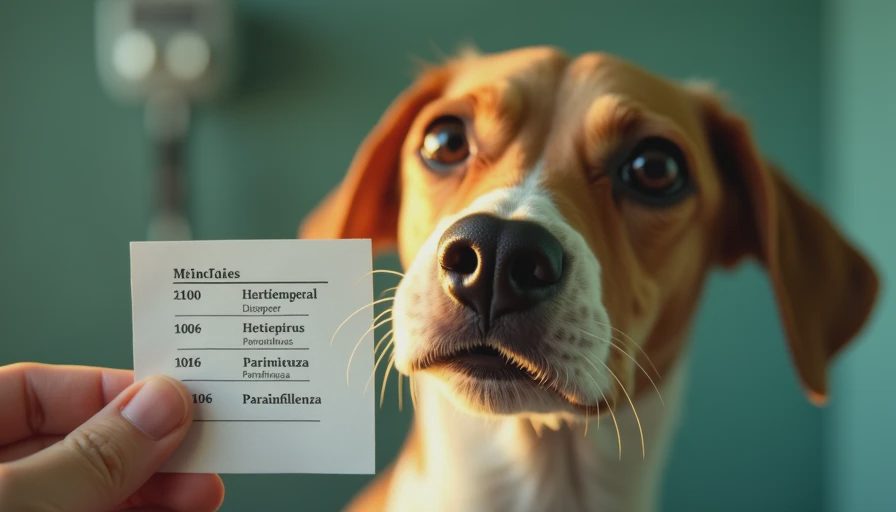
Bring your questions, keep the record card, and mark the next due date on your calendar. A good start beats a late fix, and understanding the plan makes that start much less stressful.


No comments yet — grab the first one.