If you are wondering, can puppies drink cow milk, the short answer is usually no. A few licks from a cereal bowl are unlikely to create an emergency, but cow milk is not an appropriate replacement for a puppy's mother's milk or a commercial puppy milk replacer. Most puppies do not need dairy, and some develop gas, loose stool, abdominal discomfort, or vomiting after drinking it.
I have answered this question many times in the exam room, often while a new owner is holding a very small, sleepy puppy and looking worried. You have not ruined your puppy by offering a tiny taste. The useful next step is simply to stop the milk, provide fresh water, and return to a complete puppy diet.
Why cow milk is different from puppy milk
Mother dogs produce milk designed for rapidly growing puppies. It contains a particular balance of calories, fat, protein, vitamins, minerals, and water. Cow milk has a different nutritional profile. It is more diluted in some important nutrients and does not provide the energy or mineral balance a young puppy needs for steady growth.
Cow milk also contains lactose, a natural milk sugar. Puppies produce lactase, the enzyme that digests lactose, while nursing, but that ability often declines as they mature and transition to solid food. Some puppies handle a small amount better than others; sensitive puppies can develop diarrhea within a few hours. Fat content varies among whole, reduced-fat, and skim milk, but none is a complete puppy food.
That is why the answer to can puppies drink cow milk is not the same as the answer for nursing from their mother. One is a species-appropriate meal, and the other is a human grocery product that can upset digestion without meeting a puppy's needs.
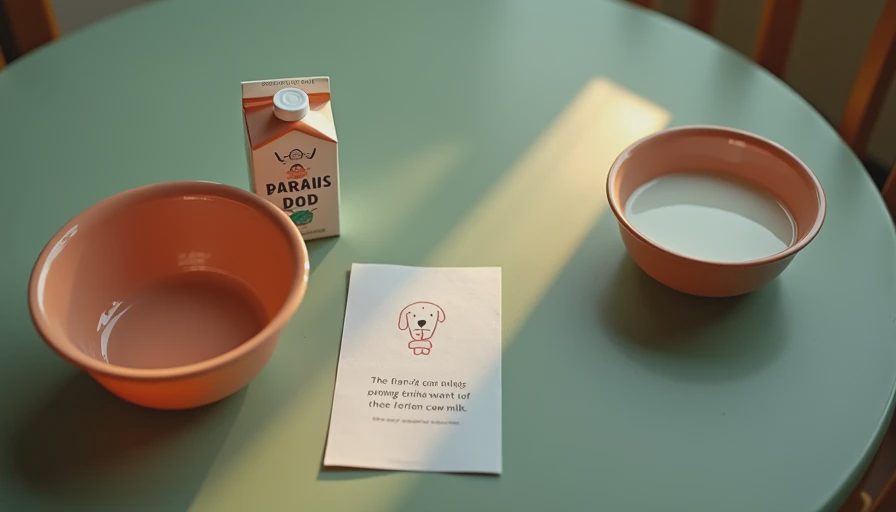
What to feed a very young or orphaned puppy
A puppy younger than about four weeks may still depend heavily on milk for nutrition. If the mother is unavailable, cannot produce enough milk, or rejects the litter, use a commercial canine milk replacer made specifically for puppies. Products such as Esbilac are commonly sold through veterinary clinics and pet retailers, but follow your veterinarian's advice and the product label for preparation and feeding amounts.
Do not dilute formula to stretch it, mix it with cow milk, or use human infant formula unless a veterinarian specifically directs you. Incorrect concentration can cause poor growth, dehydration, or digestive problems. Young puppies also need help staying warm, because a chilled puppy may not feed or digest normally. A veterinarian can show you safe bottle-feeding technique and explain when tube feeding is appropriate; attempting tube feeding without instruction can send liquid into the lungs.
Weight is one of the best practical tools during the first weeks. Use a kitchen scale that reads in grams, record the weight at the same time each day, and contact a veterinary clinic if the puppy is not gaining, repeatedly cries after feeding, feels cold, or seems weak. A good start beats a late fix.
What puppies should eat after weaning
Most puppies begin transitioning to solid food around three to four weeks, with the transition progressing over several weeks. By roughly seven to eight weeks, many puppies are eating a complete and balanced puppy formula without milk. The exact timing depends on the puppy's size, development, health, and whether the mother is nursing.
Choose food labeled for growth or all life stages and follow the feeding guide as a starting point. Large-breed puppies need a diet formulated for controlled growth, while toy breeds may need smaller, more frequent meals. Fresh water should be available all day. Water is the drink puppies need once they are eating solid food.
Some owners ask can puppies drink cow milk because the puppy seems interested in their breakfast. A safer reward is a few pieces of the puppy's regular kibble, a small training treat, or a veterinarian-approved puppy treat. Those options add less digestive confusion and help establish good mealtime habits.
What if your puppy already drank milk?
If your puppy stole a tablespoon from a glass, do not panic. Remove the milk, offer water, and watch for changes over the next several hours. Mild gas or one soft stool can settle as the digestive tract clears it. Keep the next meals normal rather than withholding food for a long period, especially in a very young, tiny, or toy-breed puppy.
Call your veterinarian if diarrhea continues, becomes frequent, or contains blood; if vomiting repeats; or if your puppy is unusually sleepy, painful, bloated, trembling, or unwilling to eat. Puppies can become dehydrated and develop low blood sugar faster than adult dogs. A puppy with ongoing diarrhea also needs consideration of causes unrelated to milk, including sudden diet changes, intestinal parasites, infection, or swallowing something inappropriate.
Do not give human anti-diarrhea medicine unless your veterinarian tells you to. Some products are unsafe for dogs, and medication can hide symptoms that need attention. When you call, note what kind of milk your puppy drank, approximately how much, when it happened, and whether the puppy has vomited or passed stool.
Common milk questions from new puppy owners
Can puppies drink cow milk in an emergency? It is not a reliable emergency meal. If a newborn is separated from its mother, call a veterinary clinic, shelter, or emergency hospital for immediate guidance on puppy milk replacer and feeding technique rather than improvising with kitchen ingredients.
Can puppies drink lactose-free cow milk? Removing or reducing lactose may lower the chance of diarrhea, but lactose-free milk still does not contain the right nutrition for a growing puppy. It should not replace puppy formula or meals.
Can puppies drink goat milk? Goat milk is also not a complete substitute for canine milk. Some commercial puppy formulas use carefully balanced ingredients that may include milk components, but the finished product is formulated for puppies. Plain grocery-store milk is a different matter.
Can puppies drink cow milk as a treat when they are older? A healthy adult dog may tolerate a small amount, but there is no nutritional reason to add it. Many dogs do better without dairy, and high-fat dairy products can contribute to stomach upset. Choose fresh water and balanced food instead.
The simple takeaway is to skip cow milk, use canine milk replacer for orphaned young puppies, and transition weaned puppies to complete puppy food. If you are still asking can puppies drink cow milk because your puppy has diarrhea or is not gaining weight, make a veterinary call rather than trying another household remedy. Calm observation and timely advice usually solve the problem before it becomes a bigger one.


No comments yet — grab the first one.